Industrial Equipment Painting — Protecting the Machinery That Runs Your Business
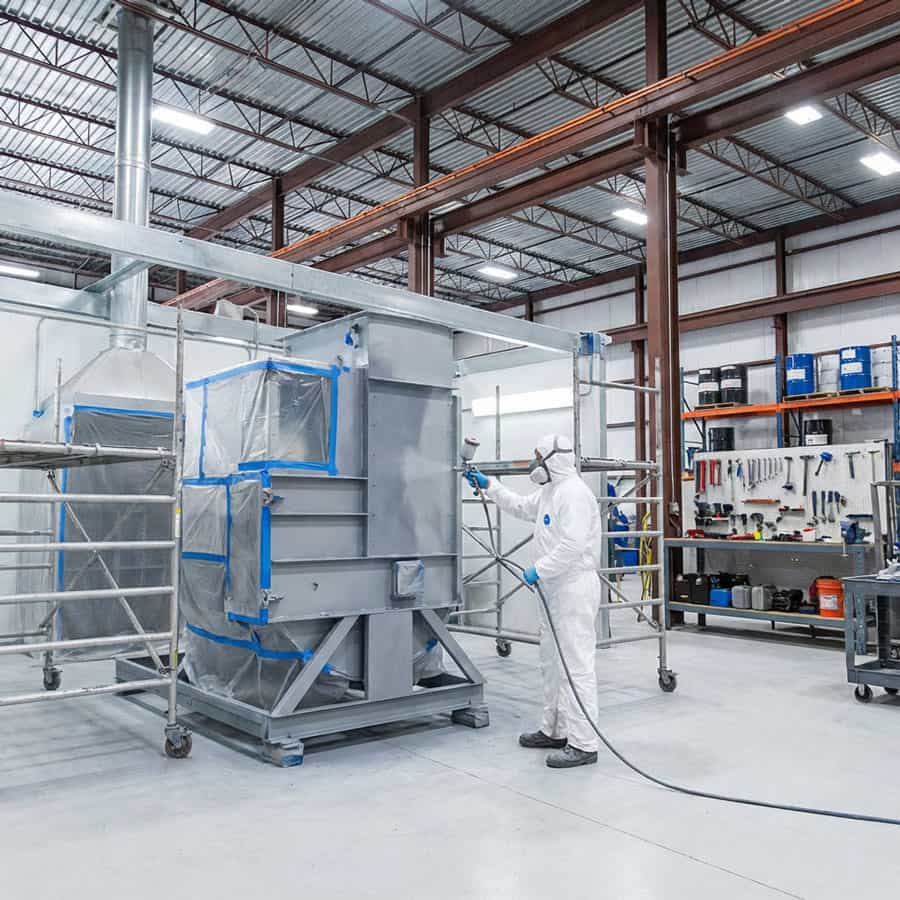
Industrial facilities depend on heavy-duty machinery to keep production moving. Whether you operate a manufacturing plant, warehouse, processing facility, automotive shop, or distribution center, your equipment is one of your most valuable assets. But constant use, exposure to moisture, vibration, chemicals, heat, and abrasion all take a toll over time. Without proper protection, industrial equipment can deteriorate quickly — leading to expensive repairs, breakdowns, and even safety hazards.
That’s why industrial equipment painting is more than an appearance upgrade. It’s a proactive maintenance step that extends the lifespan of machinery, reduces corrosion, improves safety visibility, and helps your facility meet compliance standards. At BEST Painting, we provide specialized equipment painting services designed for real industrial environments — coatings engineered to last, withstand extreme conditions, and protect high-value assets.
This guide covers the importance of equipment painting, what machinery benefits most, how the process works, and why choosing an experienced industrial painting contractor matters.
Why Industrial Equipment Painting Matters
1. It Protects Machinery From Corrosion
Corrosion is one of the biggest threats to industrial equipment. Steel and metal surfaces naturally oxidize when exposed to:
Humidity
Chemicals
Oils
Solvents
Temperature fluctuations
Outdoor storage
Wash-down environments
Once corrosion starts, it spreads fast, weakening structural components and reducing operational lifespan.
A high-quality industrial coating system:
Seals metal from moisture
Prevents rust formation
Slows deterioration
Reduces repair costs
Keeps equipment functioning safely
Painting is one of the easiest and most effective ways to protect machinery long-term.
2. It Reduces Maintenance and Downtime
When equipment coating fails, facilities often face:
Surface repairs
Mechanical failures
Component replacements
Unexpected downtime
A properly applied coating extends equipment longevity, meaning:
Fewer breakdowns
Less frequent repairs
Lower maintenance budgets
Longer operational cycles
Industrial painting is preventative maintenance — not reactive.
3. It Improves Safety Throughout the Facility
Safety is a major component of industrial equipment painting. Fresh coatings help:
Improve visibility
Highlight moving parts
Identify hazard zones
Mark pinch points or heat zones
Aid in PPE and operator awareness
From colour-coding machinery to applying high-visibility paints, the right coating can significantly improve employee safety.
4. It Enhances Facility Appearance
Clean, freshly coated machinery sends a message:
Your facility is organized, well-managed, and professionally maintained.
This can improve:
Employee morale
Client and vendor impressions
Overall operational organization
A clean plant is a productive plant.
5. It Helps Meet Compliance and Industry Standards
Certain industries require equipment to be:
Rust-free
Cleanable
Protected against chemical exposure
Maintained for audit compliance
Facilities in manufacturing, food processing, pharmaceuticals, and logistics often undergo regular inspections. Properly coated machinery supports safety and regulatory requirements.
Equipment That Benefits Most From Industrial Painting
Almost any industrial machine can be painted, but some equipment types gain the most benefit due to their constant exposure to wear.
Here are the most common assets we paint:
• Manufacturing Machinery
Presses, conveyors, welders, stamping equipment, assembly line components — all exposed to heavy use, dust, vibration, and heat.
• Tanks, Hoppers & Vessels
These often require specialized coatings for chemical resistance and interior protection.
• Structural Steel on Machinery
Frames, supports, housings, and platforms.
• Material Handling Equipment
Forklifts, cranes, gantries, pallet systems, trolleys — all of which experience abrasion and movement.
• Pumps, Compressors & Mechanical Systems
Ideal for corrosion protection and clear identification.
• Industrial Pipes & Lines
Colour-coding and corrosion prevention.
• Outdoor Equipment
Machinery exposed to rain, UV rays, and extreme temperatures requires additional durability.
Painting any of these improves function, longevity, and safety.
Our Industrial Equipment Painting Process
Industrial painting requires more than a brush and a can of paint — it requires specialized equipment, coatings, and prep work. At BEST Painting, we follow a strict, proven process to ensure every project meets industrial durability standards.
1. Evaluation and Surface Assessment
We begin with a full inspection:
What condition is the existing coating in?
Are there rusted or failing areas?
Is there oil, grease, or residue buildup?
What environment is the machine exposed to daily?
This determines the ideal coating system and prep method.
2. Surface Preparation
This is the most important step for long-lasting results.
Depending on the equipment, we use:
Degreasing and industrial cleaning
Solvent washing
Mechanical sanding
Grinding or wire-wheeling
Abrasive blasting (where appropriate)
Rust converters or inhibitors
Proper surface prep ensures the coating bonds perfectly.
3. Masking and Protection
We protect all components that should NOT receive coating:
Digital controls
Bearings
Moving parts
Wiring
Sensors
Safety labels
Touchscreens
Only the intended surfaces are coated.
4. Application of Industrial-Grade Primers
Priming is essential for corrosion resistance and adhesion. We apply primers carefully matched to the type of equipment and its operating conditions.
Options include:
High-build epoxy primers
Zinc-rich corrosion primers
Oil-based industrial primers
Bonding primers for smooth surfaces
5. Application of Topcoats
Topcoats vary depending on environment, use, and exposure.
Common systems include:
Epoxy coatings (high durability, chemical resistance)
Polyurethane coatings (glossy, UV-resistant, tough)
Alkyd industrial coatings (general use)
High-temperature coatings
Anti-abrasion and impact-resistant coatings
Spraying is typically used for the smoothest, most professional finish.
6. Final Inspection & Quality Assurance
We confirm:
Proper coating thickness
Even coverage
No overspray
Safe operation
A clean, durable finish
The result: equipment that looks better, lasts longer, and operates with improved reliability.
Where Industrial Equipment Painting Makes the Biggest Impact
These environments see the greatest benefit:
Manufacturing plants
Packaging facilities
Distribution centres
Food & beverage processing plants
Automotive plants
Laboratories and clean rooms
Metal fabrication shops
Chemical processing facilities
Warehouses
Heavy industrial plants
These spaces rely heavily on durable surfaces and well-maintained machinery.
Why Choose BEST Painting for Industrial Equipment Coating?
Painting equipment is NOT the same as painting a wall — it requires industrial expertise.
Here’s what makes us different:
✔ Specialists in heavy-duty industrial coatings
We know what works in high-wear, high-heat, chemical-exposed environments.
✔ Full safety compliance
Lift-certified, PPE-trained, shutdown-friendly, and experienced in active plants.
✔ Minimal disruption
We work around your schedule — nights, weekends, shutdowns.
✔ Superior surface prep
We don’t cut corners. Prep determines life expectancy.
✔ Clean, professional finishes
Your machinery will look organized, safe, and well-maintained.
Final Thoughts: Protect Your Facility’s Most Valuable Assets
Your equipment keeps your business running. Investing in professional industrial painting protects that equipment, extends its lifespan, improves safety, and enhances the overall operation of your facility.
With BEST Painting, you get a contractor who understands industrial demands — and delivers coatings built to last.